Importing tiles from India is a big opportunity. It is also a big responsibility.
Once a container leaves the port, there is no easy undo button. If something goes wrong, the cost shows up much later. At the warehouse. At the job site. Or worse, in customer complaints.
So ask yourself honestly. How sure are you about what is inside that container?
This is where tile inspection plays a critical role. Not as a formality. But as a risk control system.
When importing tiles from NACS International, USA buyers benefit from built-in quality control that ensures tiles are fully QC-checked for consistency, packaging, and export readiness before shipment, reducing risk, delays, and post-arrival issues.
Why Tile Inspection Matters More Than Ever
Earlier, many importers trusted factory checks. Some still do. But markets have changed.
Buyers in the USA now expect:
- Zero shade surprises
- Consistent thickness
- Accurate quantities
- Strong packaging
- Export-ready documentation
Even a small issue can create big damage.
Imagine this.
You import tiles for a retail launch. The shades vary slightly across boxes. Most customers notice. Returns begin. The problem was invisible at the sample stage but obvious after installation.
Inspection exists to catch these issues early.
What Tile Inspectors Actually Do?
Many people think inspection is only about counting boxes. That is not true.
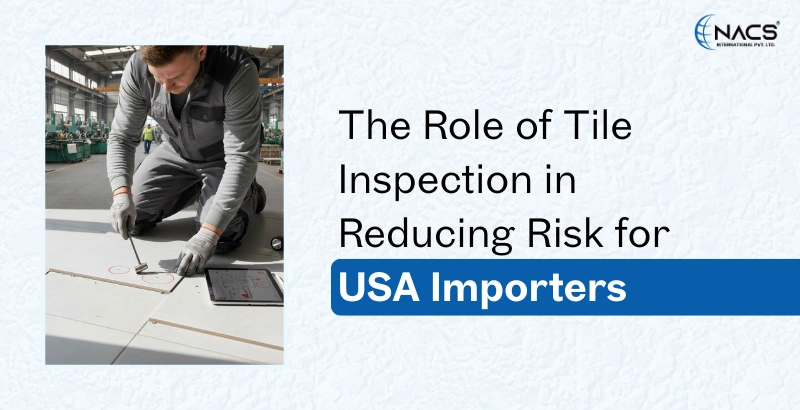
A proper tile inspection checks multiple risk points.
It usually includes:
- Visual inspection of tiles
- Shade and caliber checks
- Surface finish consistency
- Dimensional accuracy
- Quantity verification
- Packaging strength
- Pallet condition
- Container loading review
These checks happen before dispatch. Not after arrival. That timing makes all the difference.
How Inspection Reduces Financial Risk?
Let us be practical. Every importer has margins to protect. Inspection helps in simple ways.
It prevents:
- Costly rejections
- Repacking expenses
- Warehouse delays
- Customer complaints
- Reputation damage
A rejected shipment at origin is far cheaper than a rejected shipment at destination. Inspection is not an added cost. It is a cost-saving step.
Quality Consistency Is the Biggest Win
Quality issues are rarely dramatic. They are subtle.
A slightly different shade.
A slightly uneven finish.
A slightly thinner tile.
One tile looks fine. A full floor does not.
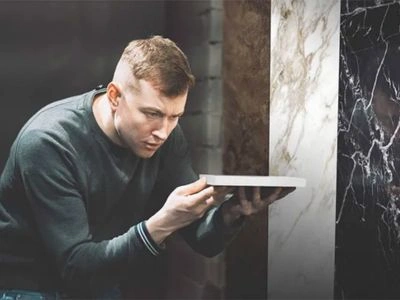
Inspectors compare tiles across batches. They do not rely only on one box. This helps catch inconsistencies that samples cannot show.
For USA importers supplying builders and retailers, this consistency is critical.
Inspection Helps with Documentation Accuracy
Many delays happen due to paperwork. Not product.
Inspection teams often cross-check:
- Packing lists
- Box markings
- Pallet counts
- Export labeling
These small checks prevent port delays.
When documents match physical goods, clearance becomes smoother. This reduces demurrage risk and scheduling disruptions.
Packaging and Breakage Control
Tiles travel far. India to USA is a long journey.
Weak packaging is a silent risk.
Inspectors review:
- Box strength
- Edge protection
- Pallet stability
- Container stacking
A strong tile can still break if packaging fails.
Inspection ensures tiles are protected for the journey ahead.
Building Trust Between Importers and Suppliers
Inspection is not about blaming factories. It is about clarity.
When expectations are documented and verified, disputes reduce.
Suppliers know what is required. Importers know what they will receive.
This transparency builds long-term partnerships. It also reduces emotional decision-making.
Good inspection protects both sides.
When Should Importers Use Tile Inspection?
The answer is simple.
Always.
But it becomes critical when:
- You are sourcing from a new supplier
- You are placing large orders
- You are launching a new product line
- You are supplying premium projects
- You cannot afford delays
Inspection gives peace of mind when the stakes are high.
Why NACS International?
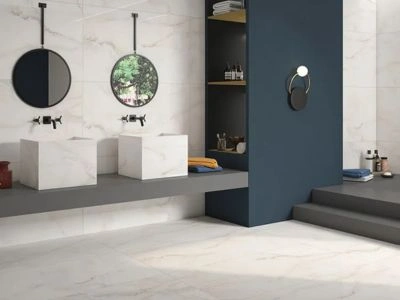
When USA importers source tiles through NACS International, quality control is not an afterthought. It is built into the export process.
NACS ensures that every shipment undergoes strict internal quality checks before dispatch. This includes verification of tile consistency, shade matching, dimensional accuracy, packaging strength, and export documentation.
By managing sourcing and quality checks together, NACS reduces the risk that typically comes with overseas tile imports. Importers receive tiles that are export-ready, QC-passed, and aligned with USA market expectations, before containers are sealed.
This integrated QC approach allows USA buyers to focus on sales and project execution, without worrying about shipment surprises after arrival.
Final Thoughts
Importing tiles without inspection is a gamble. Sometimes it works. Sometimes it costs more than expected.
Tile inspection turns uncertainty into control.
If you want to reduce risk, protect margins, and build trust with your buyers, inspection is not optional. It is essential.
Connect with us today to discover export-ready tile solutions backed by thorough pre-export inspection.
Frequently Asked Questions
Tile inspection is a quality and quantity check conducted before shipment to ensure tiles meet agreed specifications.
Yes. Inspection helps reduce risks related to quality variation, breakage, and documentation errors.
Inspections can be conducted by teams or export-focused organizations before container dispatch.
No. When planned properly, inspection prevents delays by avoiding last-minute issues.
Yes. By catching issues before shipment, inspection significantly lowers the risk of returns and complaints.